

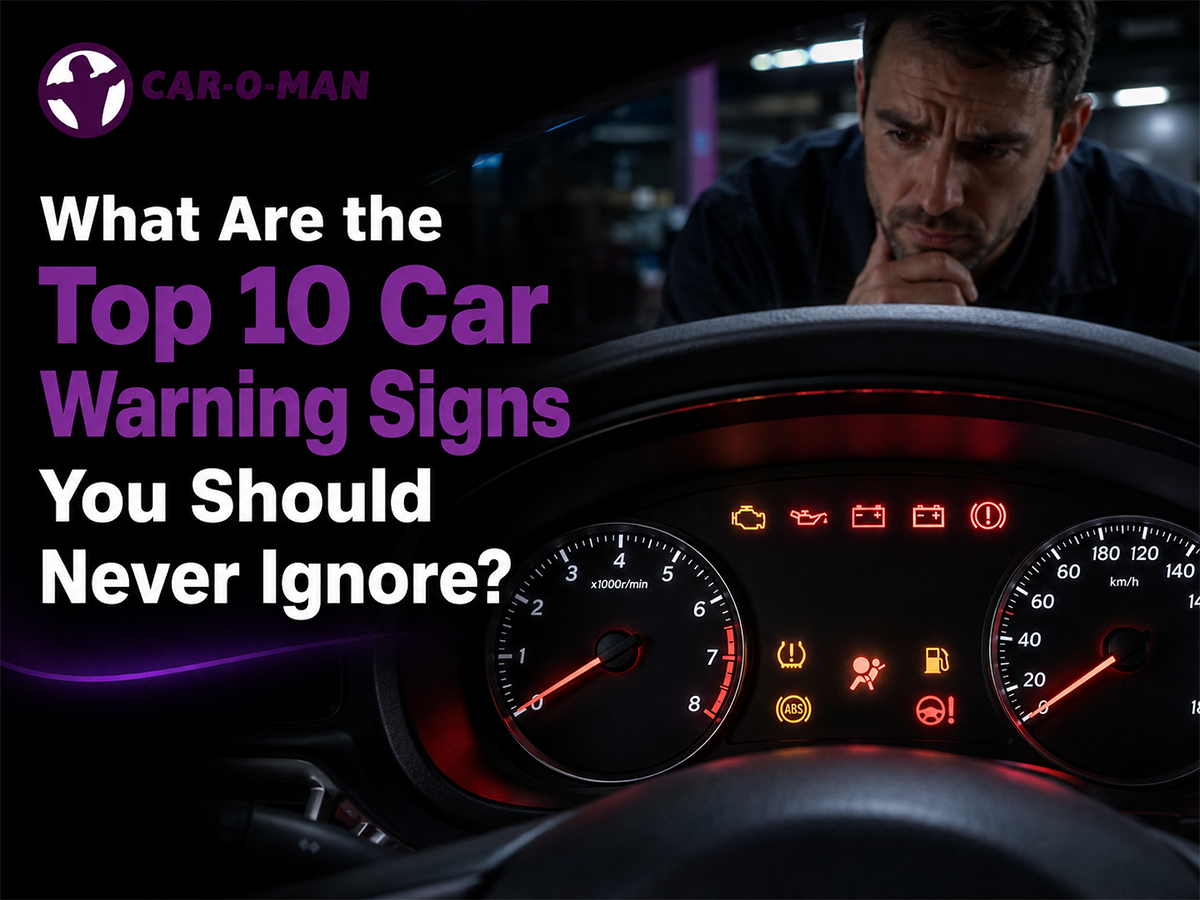
Recognizing car warning signs is essential to safeguarding your vehicle’s performance and your safety. Don’t ignore alerts like the Check Engine Light, which signals engine troubles, or the Oil Pressure Warning, indicating lubrication issues. Visiting a car service center in Hyderabad can help identify and address these warning signs promptly. Take heed of the Brake System Alert, Temperature and Battery Warnings, similarly important. Airbag Indicators and Power Steering Alerts also demand prompt attention. Monitoring these signs helps detect problems early. Ignoring them might spell major issues, potentially clueing you into deeper systemic troubles.
Check Engine Light
When your car’s check engine light illuminates, it’s a critical signal that shouldn’t be ignored. This warning is pivotal in maintaining peak engine performance and ensuring your freedom on the road isn’t compromised. Immediately conducting check engine diagnostics can pinpoint a range of issues from minor sensor malfunctions to critical engine problems. Ignoring this alert can lead to decreased fuel efficiency, higher emissions, or even severe engine damage. Don’t just reset the light; address the root cause. Schedule a diagnostic test with a reliable technician who uses advanced tools to read the error codes. Understanding these codes is essential for targeting the exact issue and fixing it, thereby preserving your vehicle’s health and your mobility.
Oil Pressure Warning
Your dashboard’s oil pressure warning light is an essential indicator that your vehicle’s engine might be facing inadequate lubrication. When this light flicks on, it’s imperative to address the issue promptly to prevent severe engine damage. Common oil pressure causes include low oil level, a failing oil pump, clogged oil filters, or aged oil losing its viscosity. Old car restoration in Hyderabad may also involve addressing oil system components to help preserve the performance and reliability of classic vehicles. Each scenario risks your engine’s health and your freedom on the road. Immediate oil pressure solutions involve checking and refilling the oil to the correct level, replacing the oil filter, or using a higher quality oil suited to your engine’s specifications. If the light remains on after these steps, consult a professional mechanic to inspect the oil pump and internal engine components.
Brake System Alert
A significant feature on your dashboard, the brake system warning light signals potential safety issues within your vehicle’s braking mechanism. When this light illuminates, it’s imperative to check your brake fluid levels and inspect your brake pads for wear. Low brake fluid can indicate leaks in your system, compromising your ability to stop efficiently. Similarly, worn brake pads reduce braking effectiveness and increase stopping distances, posing a risk to your safety. Turbocharger repair in Hyderabad is another specialized service that may be needed when addressing broader vehicle performance concerns. Don’t ignore this alert; addressing it promptly guarantees you maintain the freedom to drive securely. Schedule a professional inspection immediately if topping up the fluid doesn’t extinguish the light or if your brake pads are visibly thinning. It’s important for keeping your travels safe and uninterrupted.
Temperature Warning
If the temperature warning light activates on your dashboard, it’s signaling an overheating engine, which could lead to serious mechanical failures if not addressed quickly. You should immediately check the temperature gauge for high readings. If the gauge confirms the overheating, pull over as soon as it’s safe. Letting your car continue to run in this state risks catastrophic engine damage, which could chain you to costly repairs or force a vehicle replacement prematurely.
Turn off the air conditioner and turn on the heater to draw heat away from the engine. Once stopped, don’t attempt to open the radiator cap; the system is likely under high pressure. Instead, allow the engine to cool and consult a mechanic to diagnose the underlying issue.
Battery Alert
When the battery alert light illuminates on your dashboard, it indicates that your vehicle’s charging system is potentially malfunctioning. This is an essential moment to check the battery’s health and guarantee your freedom on the road isn’t compromised. Immediate actions include inspecting the battery connections for corrosion and confirming the terminals are tight and clean. Consider a professional evaluation to test the battery’s ability to hold a charge. Regular battery maintenance extends life and efficiency, but if issues persist, battery replacement might be necessary. Don’t ignore this warning; a failing battery can leave you stranded unexpectedly. Addressing the alert promptly guarantees you maintain control over your travels, keeping your journeys uninterrupted and safe.
Tire Pressure Warning
Your dashboard’s tire pressure warning light signals potentially low or uneven tire inflation, vital for vehicle safety and performance. It’s important to heed this alert to maintain ideal tire function and longevity. Immediate tire maintenance isn’t just about avoiding flats; it’s also about ensuring your vehicle handles correctly and efficiently.
Engage in regular pressure monitoring to prevent this warning. Use a reliable tire gauge to check each tire’s pressure against the manufacturer’s recommended levels, usually found on the driver’s side doorjamb or in your owner’s manual. Adjust the pressure during cooler times of the day for accuracy. Remember, maintaining proper tire inflation is key to your car’s performance and your freedom on the road. Don’t overlook this significant aspect of vehicle care.
Airbag Indicator
Just as monitoring your tire pressure is key to maintaining your vehicle’s performance, paying attention to the airbag indicator guarantees your safety in the event of a collision. This dashboard light is a critical safety feature, signaling potential problems with your airbag system. If it remains illuminated or flashes, it’s a clear indication that there may be a fault preventing proper airbag deployment. Don’t overlook this warning. Immediate action is required to confirm that your airbags function as intended during an accident. Schedule a diagnostic check with a certified technician who can assess and rectify any issues. Remember, airbags are pivotal in protecting you and your passengers, greatly reducing the risk of severe injury in many types of collisions.
Transmission Temperature
Monitoring the transmission temperature is crucial for preventing potential damage to your vehicle’s gearbox. An overheating transmission can lead to significant malfunctions and costly repairs. You’ll want to keep an eye on the temperature gauge, especially during long drives or when towing heavy loads. High readings indicate that your transmission fluid is possibly degrading under the heat, which compromises its ability to lubricate and cool the transmission.
To prevent this, verify your vehicle’s cooling system is functioning properly and that the transmission fluid is at the correct level and not contaminated. If you notice persistent high temperatures, it’s advisable to pull over and let the transmission cool down before proceeding. Ignoring these signs can restrict your vehicle’s performance and freedom on the road.
Power Steering Warning
While keeping an eye on transmission temperatures is important, don’t overlook the power steering warning light—a vital indicator of steering system issues. This light signals potential problems within your power steering system, which could compromise your vehicle’s handling and your control. Check the power steering fluid level first; low fluid can impair steering response, making handling sluggish or jerky. If the fluid level is adequate, the issue might lie in the pump or the belts—both integral to maintaining smooth steering operations. Ignoring this warning can lead to increased steering effort, particularly at lower speeds, which could jeopardize your safety. Address any anomalies promptly to guarantee your steering remains responsive and your driving experience remains free and unimpeded.
Coolant Level Indicator
If your dashboard displays the coolant level indicator, it’s a warning that shouldn’t be ignored, as it signals potential issues with your vehicle’s cooling system. Low coolant can lead directly to engine overheating, which, if unchecked, might cause severe engine damage. To maintain freedom from costly repairs and unexpected breakdowns, it’s essential to perform regular coolant maintenance. Check the coolant level when the engine is cold, topping off as necessary with the correct type of coolant. Also, inspect hoses and the radiator for leaks or wear. If you’re frequently needing to add coolant, it’s wise to consult a professional to investigate possible issues with the cooling system components. Always prioritize this indicator to safeguard your engine’s health and maintain your vehicle’s performance.

