
Car Paint Protection Film (PPF) is a highly durable, transparent film designed to safeguard vehicle paint against chips, scratches, and environmental contaminants. Made from thermoplastic urethane, it boasts elasticity and strength, enabling it to absorb impacts and resist chemical erosion effectively. Applying PPF involves meticulous alignment and smoothing techniques to guarantee seamless protection. Maintaining the film car service station in hyderabad entails using gentle cleaning methods and automotive-specific products. For those curious about enhancing their vehicle’s protection, PPF offers advanced solutions worth considering.
Comprehending the Fundamentals of Automotive Paint Protection Film
Car Paint Protection Film (PPF) is a thin polyurethane layer designed to shield a vehicle’s paint from scratches, chips, and environmental contaminants.
Applied directly onto the car surface, this protective coating acts as a durable barrier against elements that typically degrade the paint, such as stone chips, road debris, and bird droppings.
The film’s high elasticity allows it to conform seamlessly to the contours and edges of the vehicle, ensuring extensive coverage without altering the appearance of the underlying paint.
Additionally, its non-yellowing property maintains the original color integrity of the car surface.
Regular maintenance and proper installation are essential to maximize the effectiveness and longevity of the PPF, thereby preserving the aesthetic and resale value of the vehicle.
The Science Behind PPF: Materials and Durability
The effectiveness of Paint Protection Film (PPF) primarily stems from its advanced material composition and robust durability. Composed of a thermoplastic urethane, a type of polymer known for its exceptional strength and elasticity, PPF excels in preserving the car’s exterior from scratches, stains, and weather-induced wear.
The intrinsic polymer properties of urethane allow for high impact absorption and resistance to corrosive chemicals. Additionally, cutting-edge adhesive technology guarantees that the film adheres seamlessly to the car’s surface without leaving residues or damaging the paint upon removal.
This adhesive layer not only optimizes the bonding quality but also enhances the film’s durability, making it a reliable protective shield against various physical and environmental challenges.
Installation Process: What to Expect
Understanding the installation process of Paint Protection Film is essential for ensuring its effectiveness and longevity.
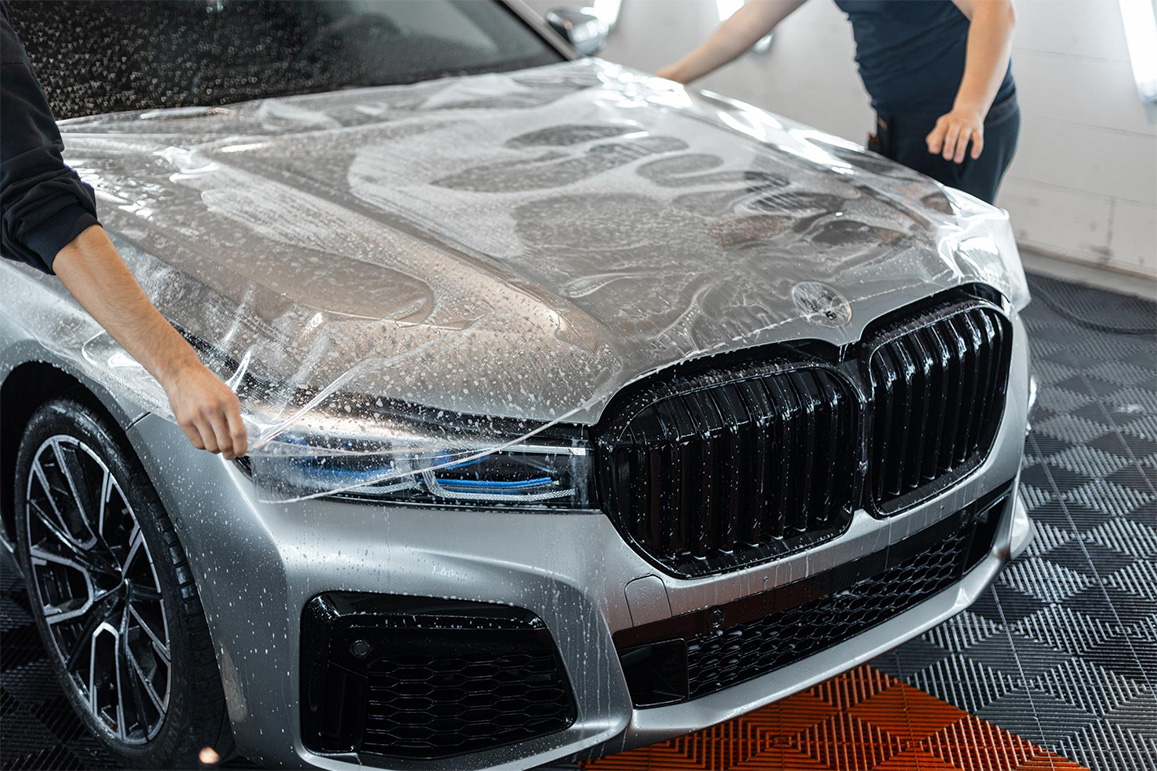
The installation begins with a thorough cleaning of the vehicle’s surface to remove any dirt, oil, car breakdown services in Hyderabad, or residues that might hinder adhesion. Technicians then meticulously apply the film, starting from one end and gradually moving to the other, using squeegees to smooth it out and prevent air bubbles.
Precise installation techniques are vital, especially around curves and edges where the film needs to be stretched or trimmed accurately.
Application challenges include avoiding contamination with dust or fibers and managing the film’s tendency to wrinkle or crease.
Proper handling and skillful application are key to achieving a seamless finish and robust protection.
Maintenance Tips for Long-Lasting Protection
Proper maintenance of Paint Protection Film (PPF) greatly extends its longevity and preserves its protective qualities.
Regular cleaning techniques are essential; owners should use gentle, automotive-specific soaps with soft microfiber towels to avoid scratching the film. It’s advisable to clean the vehicle in a shaded area to prevent soap from drying prematurely, which can leave residue on the PPF.
Additionally, applying a silicon-based or ceramic protective coating every few months can enhance the film’s resistance to contaminants and UV rays, further safeguarding the vehicle’s exterior.
Avoid harsh chemicals and abrasive tools that can degrade the film’s integrity.
Comparing PPF With Other Vehicle Protection Options
While Paint Protection Film (PPF) provides robust surface protection, it is one of several options available for PPF car protection safeguarding a vehicle’s exterior.
PPF advantages include its capacity to heal minor scratches and protect against environmental contaminants, offering a virtually invisible shield.
However, PPF disadvantages are also notable; it can be costly and requires professional installation to guarantee peak performance.
Comparatively, ceramic coatings offer a cheaper alternative that also provides a high gloss finish and superior chemical resistance, but they lack the self-healing properties of PPF.
Vinyl wraps, another option, allow for complete color transformations and are less expensive but offer less extensive protection against physical impacts.
Each method presents a balance of benefits and limitations, tailored to different protective needs and budgets.
Conclusion
In summary, Paint Protection Film (PPF) offers a robust solution for preserving a vehicle’s exterior by utilizing advanced polyurethane materials. Its installation involves precise techniques, ensuring thorough coverage and durability against environmental damage. For best longevity, regular maintenance of the PPF is essential. When compared to other protection options, PPF stands out for its superior impact resistance and self-healing properties, making it a practical investment for maintaining a car’s aesthetic and resale value.