
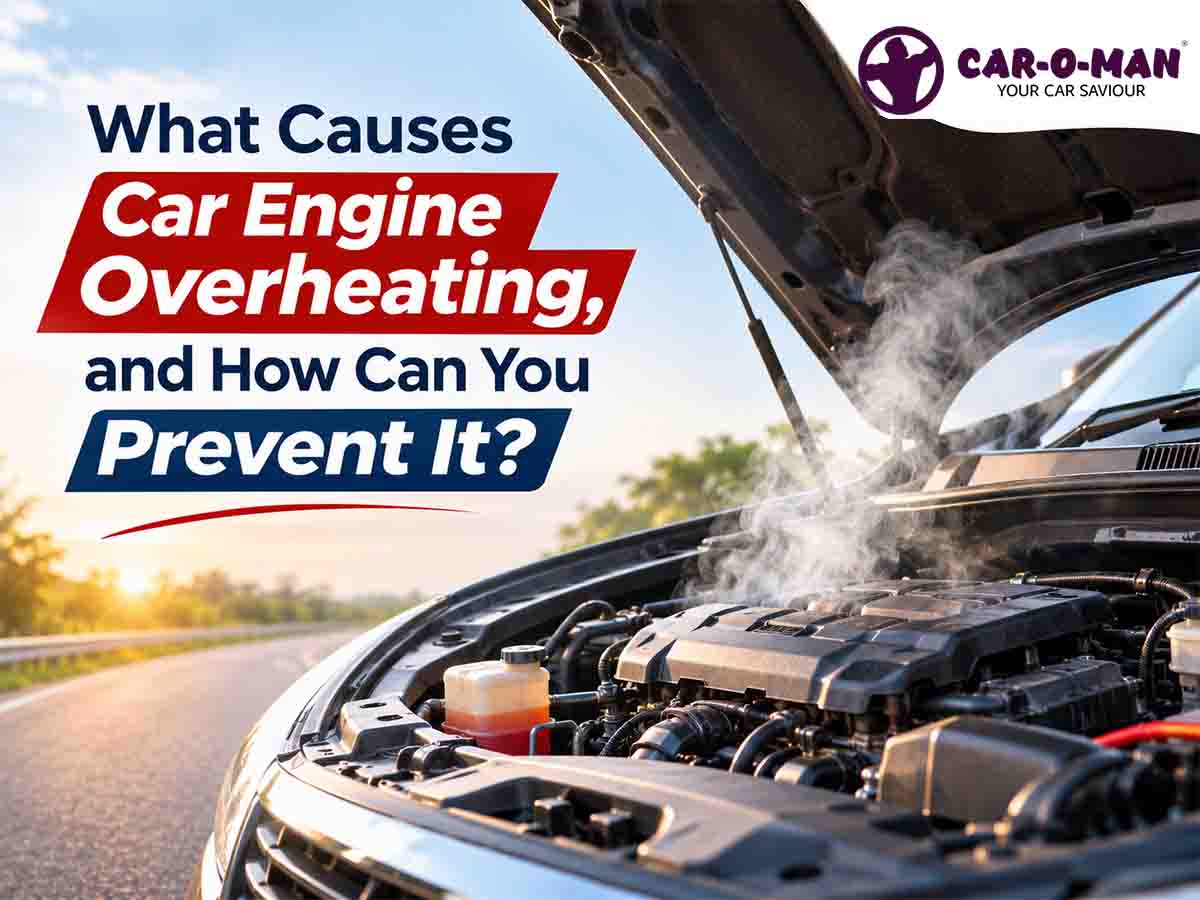
Your car’s engine might overheat due to a faulty cooling system, a malfunctioning thermostat, or radiator issues. Ensuring the water pump circulates coolant effectively, that the thermostat opens properly to regulate temperature, and that the radiator is free of leaks or blockages are critical steps. Regular maintenance, including checking coolant levels and system integrity, greatly reduces overheating risks. Visiting a reliable car service station in Hyderabad can help identify cooling system problems early, prevent costly engine damage, and keep your vehicle running smoothly. For a deeper understanding of maintaining ideal engine temperature, consider the intricate roles of each component.
Identifying Common Causes of Engine Overheating
While many factors can lead to engine overheating, a common culprit is a malfunctioning cooling system. You’re probably aware that the engine block and water pump are central to this system. The engine block houses the combustion process, generating immense heat. Without an effective water pump, the necessary coolant circulation that draws heat away from the engine block is compromised.
A failing water pump means inadequate coolant flow, leading directly to overheating. It’s essential to assess the water pump’s functionality regularly. Signs of wear or damage can be subtle, so maintaining vigilance is key. Any decrease in cooling efficiency should prompt an immediate check. For additional vehicle protection, ceramic coating in Hyderabad can help protect your car’s exterior paint from environmental contaminants and maintain its finish. Remember, the health of your engine depends greatly on these components working in harmony.
The Role of Coolant in Engine Temperature Regulation
Coolant plays a pivotal role in managing your car’s engine temperature, acting as the primary medium for heat transfer. The composition of coolant isn’t just water; it’s a meticulously balanced mix, often containing ethylene glycol or propylene glycol, which lowers the freezing point and raises the boiling point of the liquid. This adjustment is essential because it allows the coolant to effectively absorb and dissipate the intense heat produced by your engine without boiling over.
Temperature fluctuations are a constant challenge in engine maintenance, and the stability of your coolant under varying conditions is key to preventing overheating. Regular checks and maintaining the right coolant levels guarantee it performs its critical function, keeping your engine’s temperature within safe limits, even under severe operating conditions. Choosing a reliable luxury car service in Hyderabad helps ensure your vehicle receives expert maintenance, proper coolant checks, and professional engine care to maintain smooth and dependable performance.
How a Faulty Thermostat Can Lead to Overheating
If your car’s engine begins overheating, a faulty thermostat could be the culprit. A thermostat regulates engine temperature by controlling the flow of coolant to the radiator. When it malfunctions, it may fail to open at the designated temperature, trapping hot coolant within the engine and preventing it from dissipating heat through the radiator. This leads to a rapid rise in engine temperature, risking severe damage. To prevent this, monitor your vehicle’s temperature gauge for unusual fluctuations. If you suspect a thermostat malfunction, it’s vital to address it promptly. Replacing a defective thermostat isn’t just a preventative measure; it’s an indispensable fix that could save you from more costly repairs due to engine overheating.
The Impact of Radiator Problems on Engine Heat
As your car operates, the radiator plays an essential role in preventing engine overheating by dissipating heat from the coolant that flows through it. Radiator leaks and blockages, however, can severely undermine this function. A leak in the radiator means the system loses coolant, the fluid crucial for heat absorption and transfer. This reduction in coolant levels results in inadequate heat dissipation, causing your engine to overheat. Similarly, blockages within the radiator, often due to sediment or corrosion, hinder the flow of coolant. This disruption prevents ideal heat exchange between the coolant and the air passing through the radiator fins. Both scenarios stress your engine, potentially leading to significant damage if not addressed promptly.
Preventative Maintenance Tips to Avoid Overheating
Understanding the role of the radiator in managing engine temperature sets the stage for discussing how regular maintenance can prevent overheating. You’re essential in this process. Regular oil changes aren’t just about lubrication; they guarantee your engine isn’t working harder than it needs to, which can lead to excessive heat production. Don’t overlook the condition of your air filters; restricted airflow compromises engine efficiency and increases temperature. Confirming these are clean or replaced according to your vehicle’s guidelines helps maintain ideal air intake, vital for cooling processes. By adhering to these maintenance tasks with precision, you considerably lower the risk of overheating. Remember, it’s the small, consistent actions that keep your engine running smoothly and coolly.