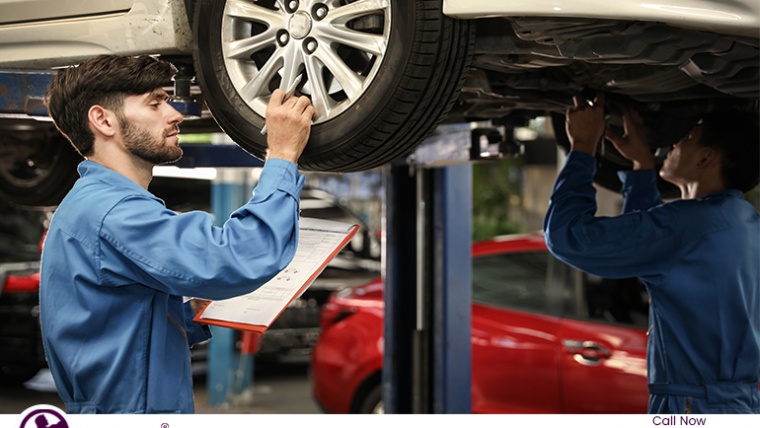

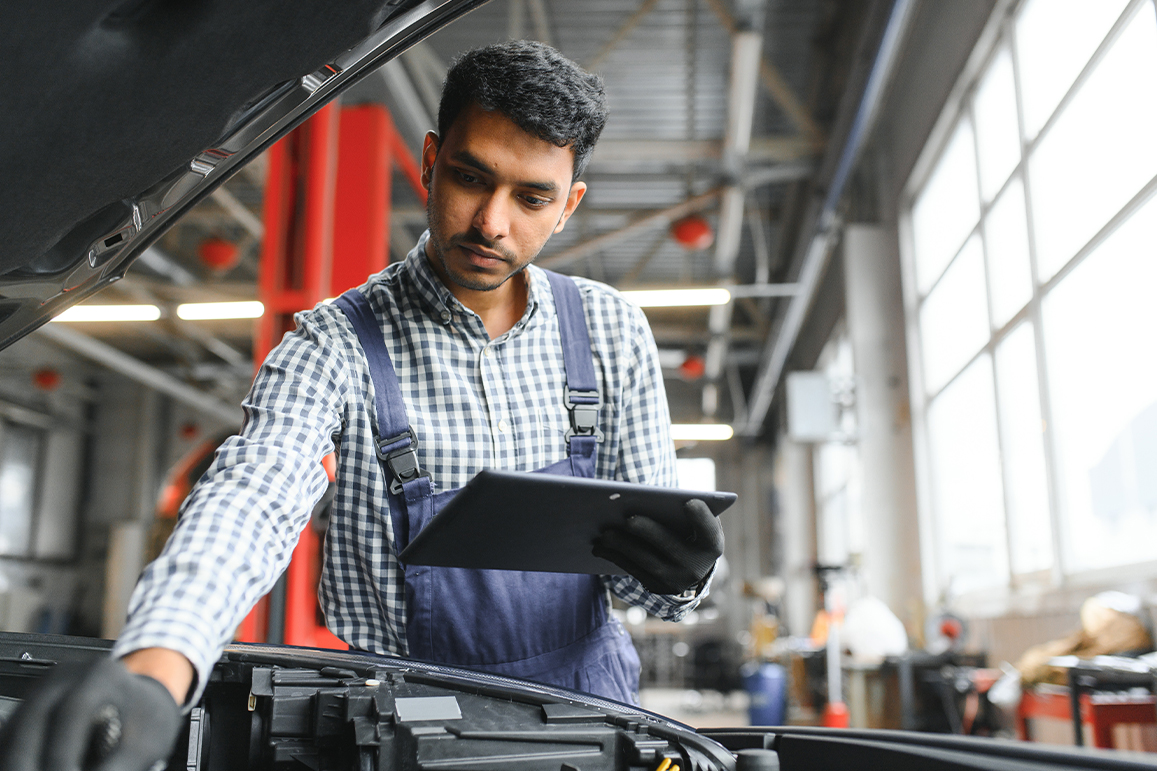
In 2026, Indian car owners should closely monitor the maintenance trends of electric vehicles, emphasizing the meticulous care of batteries and software updates to enhance performance and longevity. Predictive maintenance powered by AI and IoT will be essential for preemptive identification of potential issues, reducing unexpected repairs—an approach increasingly supported by any advanced car service center in Hyderabad. Eco-friendly practices and compliance with updated regulations will also be instrumental. Understanding these trends fosters better vehicle management and operational efficiency, offering further insights into sustainable automotive care.
Embracing Electric Vehicle Maintenance Protocols
As Indian car owners increasingly adopt electric vehicles (EVs), understanding and implementing specialized maintenance protocols becomes vital. Primary among these protocols is battery care, which demands regular monitoring of charge cycles and temperature conditions to optimize battery life and performance. Additionally, software updates represent a significant aspect of EV maintenance. These updates not only enhance vehicle functionalities and interface efficiency but also improve battery management systems, thereby extending vehicle longevity. For the freedom-seeking car owner, staying informed about these updates and adhering to recommended battery care practices guarantees their vehicle remains efficient, reliable, and capable of meeting the demands of modern mobility without the constraints of frequent, costly repairs, often complemented by professional car detailing in Hyderabad.
Leveraging AI and IoT for Predictive Maintenance
Many Indian car owners are now turning to advanced technologies like Artificial Intelligence (AI) and the Internet of Things (IoT) to enable predictive maintenance in their vehicles. Utilizing AI algorithms and IoT sensors, these systems gather and analyze vast amounts of data from vehicle operations, which is then used to predict potential failures before they occur. This approach not only enhances vehicle reliability and longevity but also considerably reduces downtime and maintenance costs. By integrating data analytics, these technologies provide predictive insights that inform owners about the ideal time for maintenance. This proactive maintenance strategy empowers owners with the autonomy to manage vehicle health more effectively, ensuring smoother and safer driving experiences, while optimizing performance and preventing unexpected breakdowns—reducing the need for major repairs like car denting and painting.
Adopting Eco-Friendly Maintenance Practices
Recognizing the environmental impact of traditional vehicle maintenance, Indian car owners are increasingly adopting eco-friendly practices. Sustainable practices in the automotive sector are gaining traction, driven by a collective desire for reduced carbon footprints and enhanced vehicle longevity. The integration of green technologies in vehicle maintenance involves the use of biodegradable lubricants, recycling of motor oils, and adoption of energy-efficient tools and diagnostic equipment. These practices not only minimize harmful environmental effects but also offer cost efficiency over time. Furthermore, the shift towards electric vehicles (EVs) complements these green initiatives, as EVs require less conventional maintenance, reducing the reliance on non-renewable resources and enhancing the overall sustainability of the transportation ecosystem in India.
Navigating Regulatory Changes and Compliance Requirements
In the evolving landscape of Indian automotive maintenance, regulatory changes and compliance requirements have become increasingly significant. With the government intensifying its focus on environmental sustainability, regulatory updates are frequently introduced, mandating stricter emissions standards and the use of eco-friendly maintenance practices. Vehicle owners and service providers must stay abreast of these changes to avoid non-compliance. The compliance challenges in this dynamic regulatory environment require both awareness and adaptability. As regulations evolve, staying informed through official channels and periodic training can mitigate risks associated with non-compliance. Additionally, leveraging technology to track and manage maintenance history can prove indispensable in meeting new standards, thereby ensuring freedom from legal repercussions while promoting a greener future.